Welding can be a rewarding and well-paying career, but it is not for everyone. Before committing to a career in welding, it is important to understand both the benefits and the challenges that come with the trade.
Welding Guide
Is Welding a Good Career? Some Reasons You Should NOT Become a Welder
Published: 2024-01-31
Need Metal Welding Work?
Get a free quote from our expert welders
The Benefits of a Welding Career
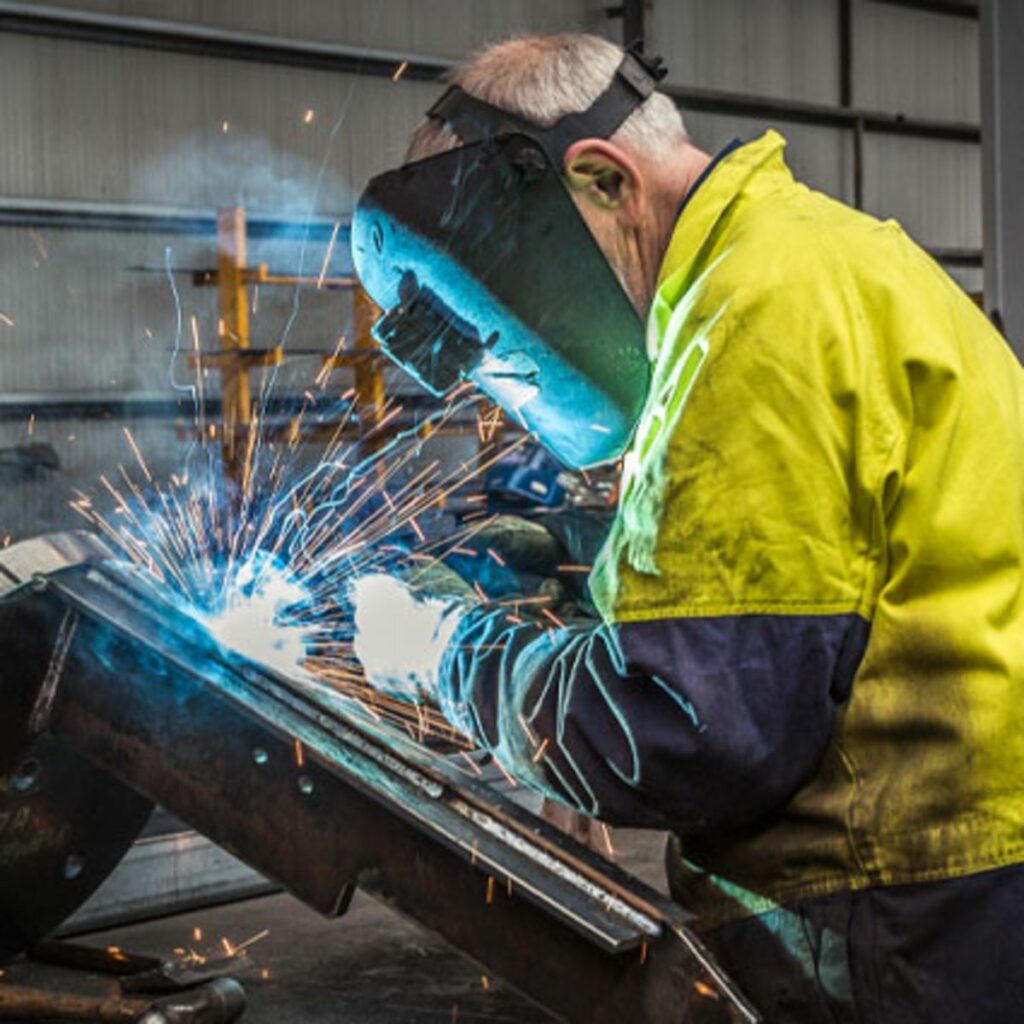
Welding offers strong job security. Skilled welders are always in demand across construction, manufacturing, mining, automotive, and infrastructure industries. The work is hands-on, and many welders take pride in seeing the tangible results of their labour.
Welders can earn a solid income, especially those with specialised certifications in TIG, MIG, or underwater welding. With experience, welders can move into supervisory roles, start their own businesses, or specialise in high-paying niches like pipeline welding or aerospace fabrication.
The Physical Demands
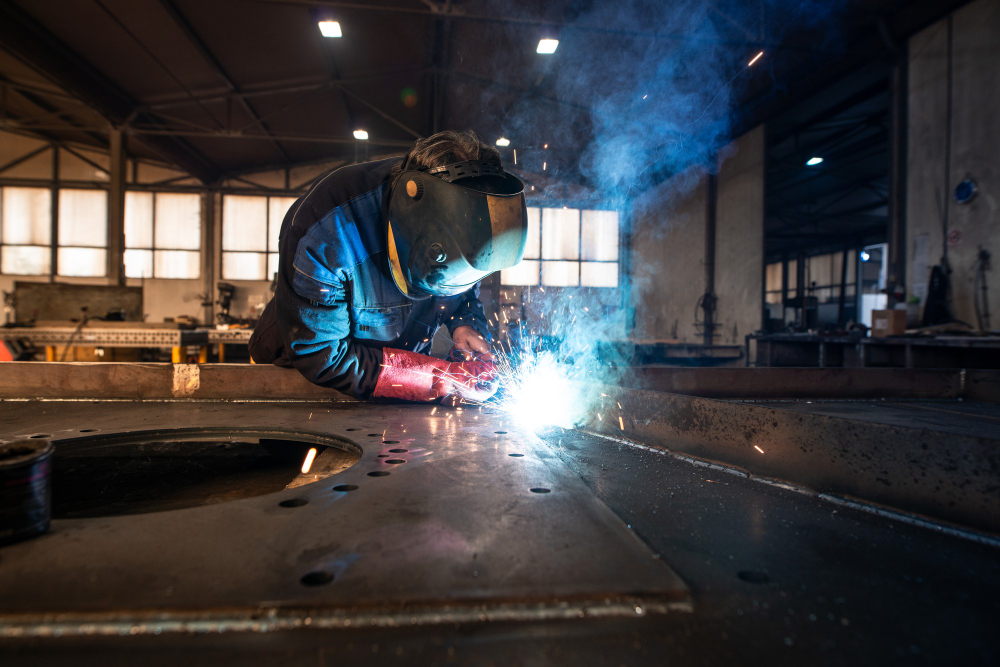
Welding is physically demanding work. You will spend long hours on your feet, often in awkward positions. The heat from welding torches and the weight of equipment can take a toll on your body over time. Back problems, joint issues, and fatigue are common among long-term welders.
If you prefer desk work or have existing physical limitations, welding may not be the right fit. The work environment can also be tough. You may work outdoors in extreme weather, in confined spaces, or at heights on construction sites.
Health and Safety Risks
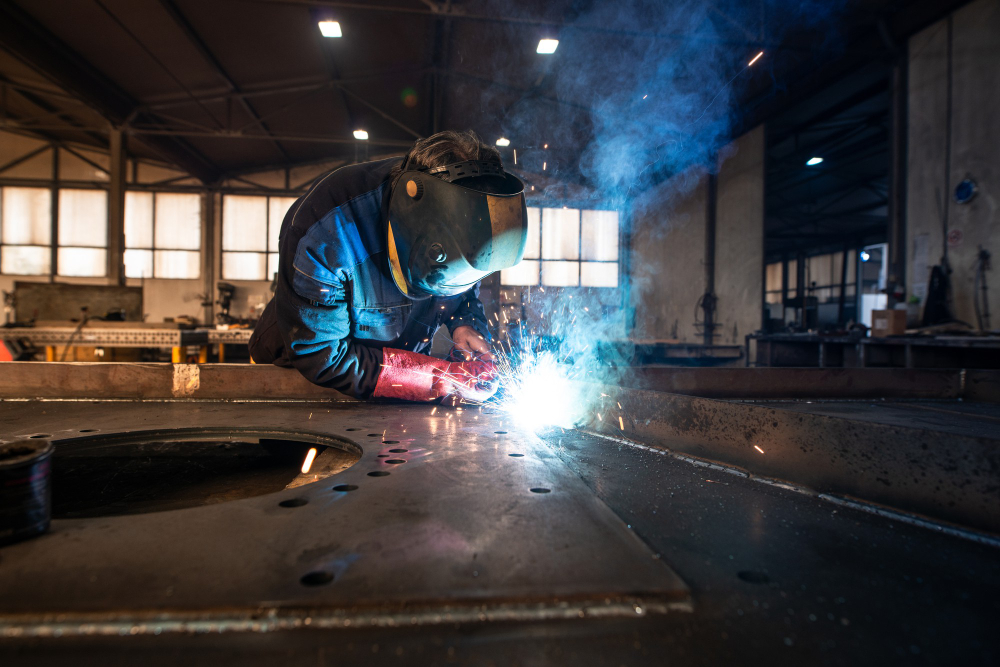
Welding comes with real safety risks that you need to take seriously. Exposure to fumes, UV radiation, sparks, and molten metal are daily realities. Without proper protective equipment and ventilation, welders can develop respiratory issues, eye damage, and skin burns.
That said, with proper training, the right PPE, and adherence to safety protocols, these risks can be managed effectively. Reputable welding companies like Sydney Welding prioritise safety on every job.

Need Metal Welding Work?
Our expert welders are ready to help with your project. Call us now for a free quote.
Call Us NowTraining and Certification
Becoming a qualified welder requires proper training and certification. In Australia, you typically need to complete a Certificate III in Engineering (Fabrication Trade) through a TAFE or registered training organisation. This usually takes around 3 to 4 years as an apprentice.
You will also need to earn specific welding certifications depending on the type of work you want to do. Structural welding, pressure vessel welding, and pipeline welding all require separate qualifications.
Work-Life Balance
Welding jobs can involve irregular hours, shift work, and travel to remote job sites. If work-life balance is a top priority for you, this is something to consider carefully. Some welding roles offer regular 9-to-5 hours, particularly in workshop-based fabrication, but site work and emergency repairs can mean early starts, late finishes, and weekend work.
Key Takeaways
- ✓ Welding offers strong job security and good earning potential
- ✓ The work is physically demanding and comes with real safety risks
- ✓ Proper training, certification, and safety practices are essential
Interested in working with professional welders? Contact Sydney Welding on 0426 416 748.
Conclusion
Welding is a solid career choice for people who enjoy physical, hands-on work and are willing to invest in proper training and safety. It is not the right path for everyone, but for those who are suited to it, welding can provide a stable income, job satisfaction, and opportunities for growth. If you need professional welding services in Sydney, contact Sydney Welding for a free quote.
Our Welding Services
Looking for professional welding work? Check out our full range of services.
Request a FREE Quote!
Or call us directly on 0426 416 748
More Welding Guides

4 Different Types of Welding Processes
The welding process is an important one in the manufacturing industry. It s a method used to join two or more pieces of metal together by using heat and pressure. The pressure is applied with an electrode, which is then connected to a power source. Welding is used in a variety of industries, including construction, automotive, aerospace, and more. It s a versatile process that can be used to create everything from small parts to large structures. There are four different types of welding process
Read Guide
4 Types of Steel: What Makes Them Different?
Steel is one of the most common materials used in manufacturing and construction. It s strong, durable, and versatile, which makes it ideal for a wide range of applications. But did you know that there are different types of steel? In this blog post, we ll be taking a look at four of the most common types of steel and what sets them apart. Carbon Steel Carbon steel is one of the most common and versatile types of steel. It s composed of iron and carbon, which gives it a wide range of properties
Read Guide
Different Sorts Of Steel Metals
If you re in the steel market, you might be overwhelmed by all of the available different types. How do you know which one is right for your project? In this blog post, we will explore the four most common types of steel and their key differences. From carbon steel to stainless steel and more, read on to learn about each type of steel and what sets it apart from the rest. There are dozens of types of steel, each with unique chemical and physical properties. In this article, we ll take a look at
Read Guide
Which Metal Will Burn? Australian General Engineering
Which Metal Will Burn? Australian General Engineering Have you ever wondered which metal will burn? We all know that metal is a good conductor of heat, but did you know that some metals are more flammable than others? In this blog post, we ll take a look at the different flammability levels of various metals, so you can be informed the next time you re working with them. We ll also explore how to extinguish a metal fire, in case you ever find yourself in that situation. What is the Difference Be
Read GuideWhat things need to be considered for Welding Goggles ?
There are a lot of things that need to consider before purchasing welding goggles. In this blog post, we will discuss those things in detail so that you can make an informed decision. The first thing that you need to consider is the type of welding torch you will be using. There are two types of welding torche's available in the market gas and plasma. If you are using a gas welding torch, then you need to purchase gas welding goggles. On the other hand, if you are using a plasma welding torch, th
Read Guide
What's the Best Way to Cut Steel Wire Rope?
What is the process of Cut Steel Cable? Cutting steel cable is a process that requires the use of a specialized cutting tool. The most common type of cutting tool for this purpose is a rotary cutter, which uses a rotating blade to cut through the cable. There are also handheld cutting tools available that can be used to cut steel cables, but these are not as common. To cut steel cable with a rotary cutter, first make sure that the cutting tool is properly positioned and secured. Next, align the
Read Guide