In the metal industry, there are many ways to cut metal. But what is the best way to cut metal? This is a question that has been asked for years and one that still does not have a definitive answer. There are many factors to consider when trying to determine the best way to cut metal. The type of metal being cut, the thickness of the metal, the desired finish, and the budget all play a role in deciding which method is best. In this blog post, we will explore some of the most popular ways to cut metal and try to determine which one is the best for 2024.
Welding Guide
What Is the Best Way to Cut Metal?
Published: 2024-01-31
Need Metal Welding Work?
Get a free quote from our expert welders
The Different Types of Metal Cutting Methods
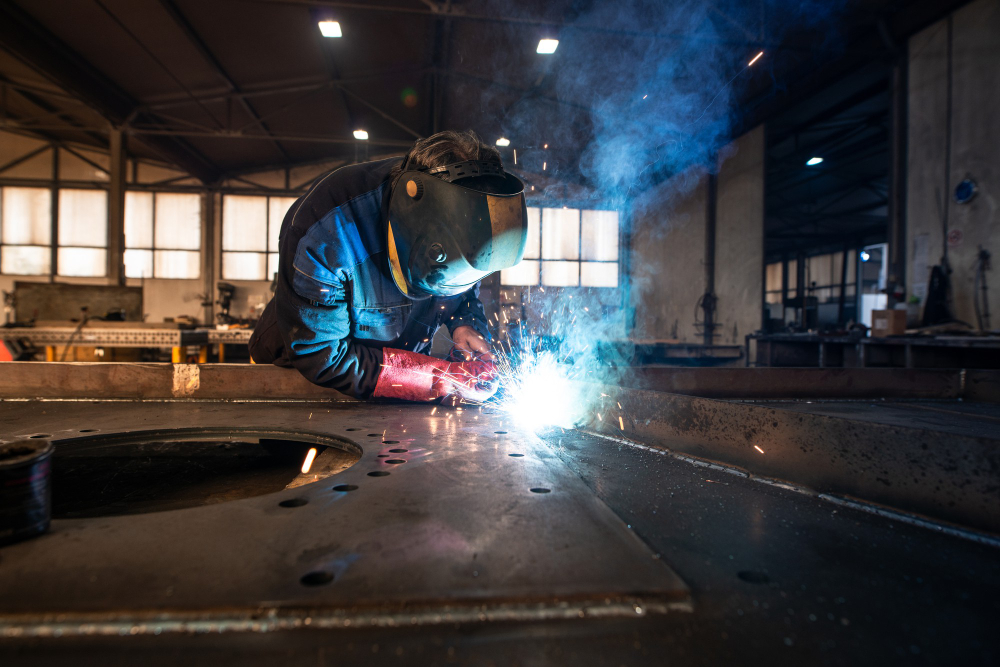
There are a few different types of metal cutting methods that can be used depending on the type of metal being cut and the desired outcome. The most common methods are oxy-fuel cutting, plasma cutting, and waterjet cutting.
Oxy-fuel cutting is a thermal cutting process that uses a gas torch to heat the metal until it reache's its ignition temperature. The gas torch is then used to pierce through the metal. Oxy-fuel cutting is most commonly used for cutting thick metals, such as steel plates.
Plasma cutting is an electrically charged process that uses a plasma torch to cut through the metal. Plasma cutting is most commonly used for thinner metals, such as sheet metal.
Waterjet cutting is a high-pressure process that uses a jet of water to cut through the metal. Waterjet cutting can be used on a variety of materials, including both thin and thick metals.
The Pros and Cons of Each Method
There are a few different ways to cut metal, each with its advantages and disadvantages. Here are the most common methods:
- Cutting with a saw: A saw is the most common way to cut metal, and it can be done with either a hand saw or a power saw. The main advantage of this method is that it's relatively quick and easy. However, it can be difficult to get a clean, straight cut with a saw, especially if you're not experienced.
- Cutting with an abrasive wheel: An abrasive wheel is another common way to cut metal. It's similar to using a saw, but the main advantage is that it produces cleaner, straighter cuts. However, this method is also more time consuming and can be difficult to control if you're not experienced.
- Cutting with a plasma cutter: A plasma cutter is a powerful tool that uses high-frequency electrical energy to melt and cut metal. This method is very quick and produces extremely clean cuts. However, it's also very expensive and can be dangerous if not used properly.
Which Type of Metal Cutting Method is the Best?
There are a few different ways to cut metal, and the best method for you will depend on the type of metal you need to cut and the size of the project. The most common methods for cutting metal are sawing, shearing, and grinding.
Sawing is a good option for cutting large pieces of metal or for cutting metal pipes. The downside of sawing is that it can be very slow and it produces a lot of dust and debris.
Shearing is a good option for cutting thinner pieces of metal. It is much faster than sawing and produces less debris. However, shearing can be more difficult to control than sawing and can produce uneven cuts.
Grinding is the best option for cutting small pieces of metal or for precision cuts. It is very fast and produces very little debris. However, grinding can be very dangerous if not done properly.
Need Metal Welding Work?
Our expert welders are ready to help with your project. Call us now for a free quote.
Call Us NowHow to Cut Metal at Home Without Tools?
If you need to cut metal but don't have any tools, there are a few ways you can do it at home. One way is to use a piece of string or fishing line. Tie the string around the metal where you want to make your cut, and then pull the string tight. You can then use a sawing motion to cut through the metal.
Another way to cut metal without tools is to use a sharp object like a knife or a screwdriver. Place the blade of the knife against the metal where you want to make your cut, and then apply pressure while you move the blade back and forth. The same method can be used with a screwdriver, except you will need to use the tip of the screwdriver instead of the blade.
Either of these methods will take some time and patience, but they will eventually allow you to cut through most types of metal.
Handheld and Power Tools to Cut Metal
If you're looking for the best way to cut metal, you'll need to consider both handheld and power tools. Handheld tools like saws and angle grinders are great for cutting small pieces of metal, while power tools like plasma cutters and oxy-fuel torche's are better suited for larger projects.
No matter what kind of project you're working on, always be sure to wear proper safety gear when using any kind of cutting tool.
Plasma Cutting
Plasma cutting is a process that uses a stream of hot plasma to cut through metal. The plasma is created by an electric arc between an electrode and the workpiece. Plasma cutting is used to cut metals that are too thick for oxy-fuel cutting, as well as stainless steel and aluminium.
There are two types of plasma cutting: hand-held and machine-mounted. Hand-held plasma cutters are smaller and more portable than machine-mounted units, but they are not as powerful. Machine-mounted plasma cutters are more expensive, but they can handle thicker materials and have more features, such as automatic torch height control.
Waterjet Cutting
Waterjet cutting is a process that uses high-pressure water to cut through metal. The water is typically pressurized to around 60,000 PSI, which can easily cut through most metals. Waterjet cutting is a very precise way to cut metal, and it doesn't create any heat-affected zones (HAZ).
Cutting Thin-Gauge Steel and Sheet Metal
When it comes to cutting thin-gauge steel and sheet metal, there are a few different options available. The best way to cut metal will depend on the specific project you're working on and the type of metal you're dealing with.
One option for cutting thin-gauge steel or sheet metal is to use a power shear. This type of shear is designed for cutting materials that are up to 3/16 of an inch thick. Power shears are typically used for projects that require a lot of straight cuts, such as cutting down sheet metal to size.
Another option for cutting thin steel or sheet metal is to use a jigsaw with a blade designed for metals. Jigsaws can be used to make curved and intricate cuts, making them ideal for projects that require more than just straight cuts. Be sure to use a blade designed specifically for metals so that you don't damage the material or the saw itself.
Finally, if you need to make precision cuts, you may want to consider using a laser cutter. Laser cutters can produce very precise and clean cuts, making them ideal for delicate projects or those that require tight tolerances.
Cut Metal with Your Circular Saw
If you're looking for a powerful way to cut metal that is also portable, then a circular saw is a great option. Circular saws can be used to cut through sheet metal, pipe, and other materials with ease. Here are some tips on how to get the best results when using a circular saw to cut metal:
- Make sure the blade of your circular saw is designed for cutting metal. Some blades are only meant for wood or other materials.
- Use a lubrican't such as WD-40 or other cutting oil on the area you will be cutting. This will help reduce friction and heat build-up.
- Use a slower speed setting on your circular saw when cutting metal. This will help prevent the blade from overheating.
- Apply steady pressure when cutting through the metal. Do not force the blade through, as this can damage the blade or cause it to bind to the material.
- After you've made your cut, use a file or grinder to remove any sharp edges from the cut area.
Key Takeaways
- ✓ Always use proper safety equipment when welding or working with metal
- ✓ Choose the right welding technique for your specific material and project
- ✓ For professional results, contact licensed and certified welders
Need help with your project? Call Sydney Welding on 0426 416 748 for a free quote.
Conclusion
In conclusion, the best way to cut metal in 2024 is with a CNC machine. This will give you the most precise and clean cuts possible. If you don't have access to a CNC machine, then the next best option is to use a plasma cutter.

Our Welding Services
Looking for professional welding work? Check out our full range of services.
Request a FREE Quote!
Or call us directly on 0426 416 748
More Welding Guides

4 Different Types of Welding Processes
The welding process is an important one in the manufacturing industry. It s a method used to join two or more pieces of metal together by using heat and pressure. The pressure is applied with an electrode, which is then connected to a power source. Welding is used in a variety of industries, including construction, automotive, aerospace, and more. It s a versatile process that can be used to create everything from small parts to large structures. There are four different types of welding process
Read Guide
4 Types of Steel: What Makes Them Different?
Steel is one of the most common materials used in manufacturing and construction. It s strong, durable, and versatile, which makes it ideal for a wide range of applications. But did you know that there are different types of steel? In this blog post, we ll be taking a look at four of the most common types of steel and what sets them apart. Carbon Steel Carbon steel is one of the most common and versatile types of steel. It s composed of iron and carbon, which gives it a wide range of properties
Read Guide
Different Sorts Of Steel Metals
If you re in the steel market, you might be overwhelmed by all of the available different types. How do you know which one is right for your project? In this blog post, we will explore the four most common types of steel and their key differences. From carbon steel to stainless steel and more, read on to learn about each type of steel and what sets it apart from the rest. There are dozens of types of steel, each with unique chemical and physical properties. In this article, we ll take a look at
Read Guide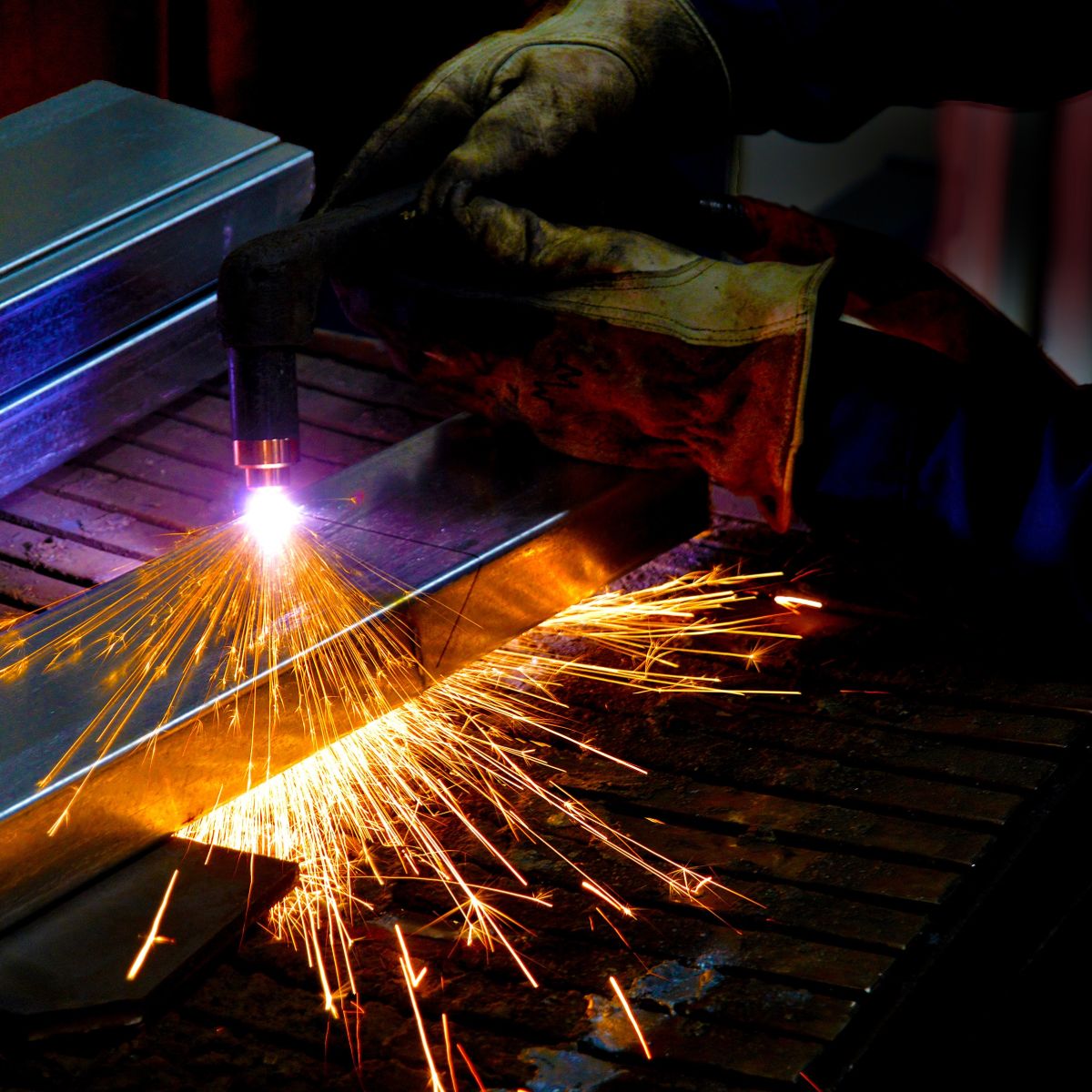
Which Metal Will Burn? Australian General Engineering
Which Metal Will Burn? Australian General Engineering Have you ever wondered which metal will burn? We all know that metal is a good conductor of heat, but did you know that some metals are more flammable than others? In this blog post, we ll take a look at the different flammability levels of various metals, so you can be informed the next time you re working with them. We ll also explore how to extinguish a metal fire, in case you ever find yourself in that situation. What is the Difference Be
Read GuideWhat things need to be considered for Welding Goggles ?
There are a lot of things that need to consider before purchasing welding goggles. In this blog post, we will discuss those things in detail so that you can make an informed decision. The first thing that you need to consider is the type of welding torch you will be using. There are two types of welding torche's available in the market gas and plasma. If you are using a gas welding torch, then you need to purchase gas welding goggles. On the other hand, if you are using a plasma welding torch, th
Read Guide
What's the Best Way to Cut Steel Wire Rope?
What is the process of Cut Steel Cable? Cutting steel cable is a process that requires the use of a specialized cutting tool. The most common type of cutting tool for this purpose is a rotary cutter, which uses a rotating blade to cut through the cable. There are also handheld cutting tools available that can be used to cut steel cables, but these are not as common. To cut steel cable with a rotary cutter, first make sure that the cutting tool is properly positioned and secured. Next, align the
Read Guide