What Is A Class D Fire?
A Class D fire involves combustible metals, such as magnesium, titanium, zirconium, or sodium. These fires are difficult to extinguish because the metals can continue to burn even in a low-oxygen environment. Class D fires usually require specialised extinguishing agents, such as dry chemicals or foam.
Does Metal Burn In Fire?
When it comes to metal and fire, there is a lot of misinformation out there. So, does metal burn in a fire? The answer is both yes and no.
Some metals, like aluminium and copper, will readily catch fire and burn at high temperatures. Other metals, such as iron and steel, will not catch fire easily but will eventually succumb to the intense heat and start to burn.
So, which metal will burn? It depends on the circumstances. If the metal is in contact with an open flame or another heat source, it is more likely to catch fire and burn. If the metal is heated to very high temperatures (such as in a forge or foundry), it is also more likely to catch fire and burn.
However, even metals that don't typically catch fire can be made to burn under the right conditions. For example, if iron or steel are heated to red-hot temperatures and then exposed to oxygen, they will readily ignite and start burning.
So, while all metals can technically be made to burn under the right conditions, some are much more prone to catching fire than others. When it comes to choosing a metal for your project, it's important to consider its flammability properties so that you can choose the best material for the job.
Key Takeaways
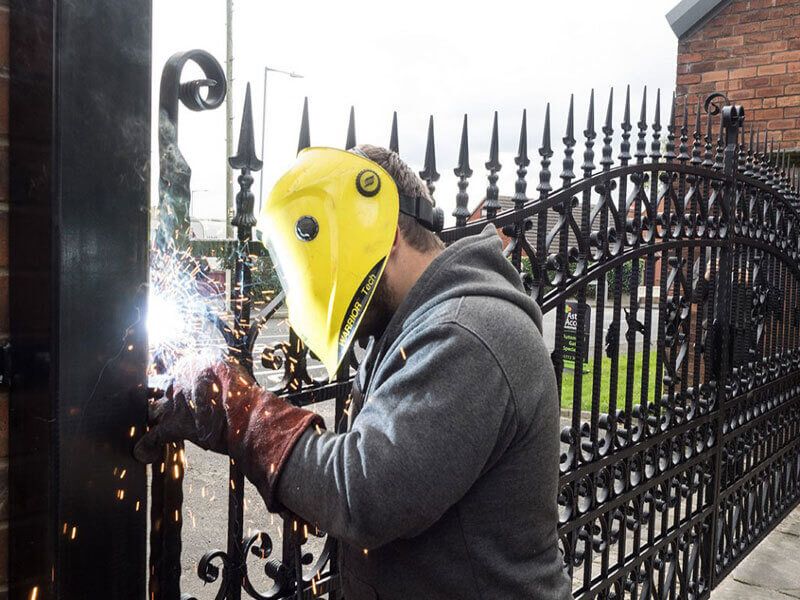
- ✓ Always use proper safety equipment when welding or working with metal
- ✓ Choose the right welding technique for your specific material and project
- ✓ For professional results, contact licensed and certified welders
Need help with your project? Call Sydney Welding on 0426 416 748 for a free quote.